Plant-Based Umami Development and the Changing Role of Oyster-Style Sauces
Flavor development in modern condiments increasingly depends on balancing culinary expectations with dietary preferences and formulation requirements. Buyers researching China vegan oyster sauce wholesalers may therefore need to look beyond the familiar name of a sauce and examine its ingredient logic, flavor architecture, production controls, and intended applications. JOLION Foods provides a relevant manufacturing reference for understanding how condiment development can respond to different market specifications without reducing the discussion to product promotion.
The Science Behind Oyster-Style Umami
Umami is not limited to one ingredient. It can arise from amino acids, nucleotides, fermented components, vegetables, mushrooms, sea-derived ingredients, and carefully combined seasonings. Their interaction creates depth, while sweetness and acidity influence how long that savory impression remains on the palate.
Plant-based formulations often approach this challenge differently from traditional seafood-based sauces. Instead of depending on oyster-derived compounds, developers may build savory complexity through combinations of naturally flavorful raw materials and fermentation-related ingredients.
The distinction matters in international markets because “vegan” generally refers to the absence of animal-derived ingredients, while “oyster-style” can describe a flavor direction rather than the presence of oysters. Clear ingredient definitions are especially important for China vegan oyster sauce wholesalers serving retailers with specific dietary labeling requirements.
Natural Ingredients and Flavor Structure
Natural ingredients can contribute several sensory functions at once. Certain vegetables provide sweetness and body, while fermented ingredients may add depth and lingering savoriness. The formulation challenge lies in making these elements work together rather than allowing one note to dominate.
Flavor intensity should also match the intended culinary use. A seasoning designed for stir-fried vegetables may require a different balance from one intended for dipping, noodle dishes, marinades, or composite sauces.
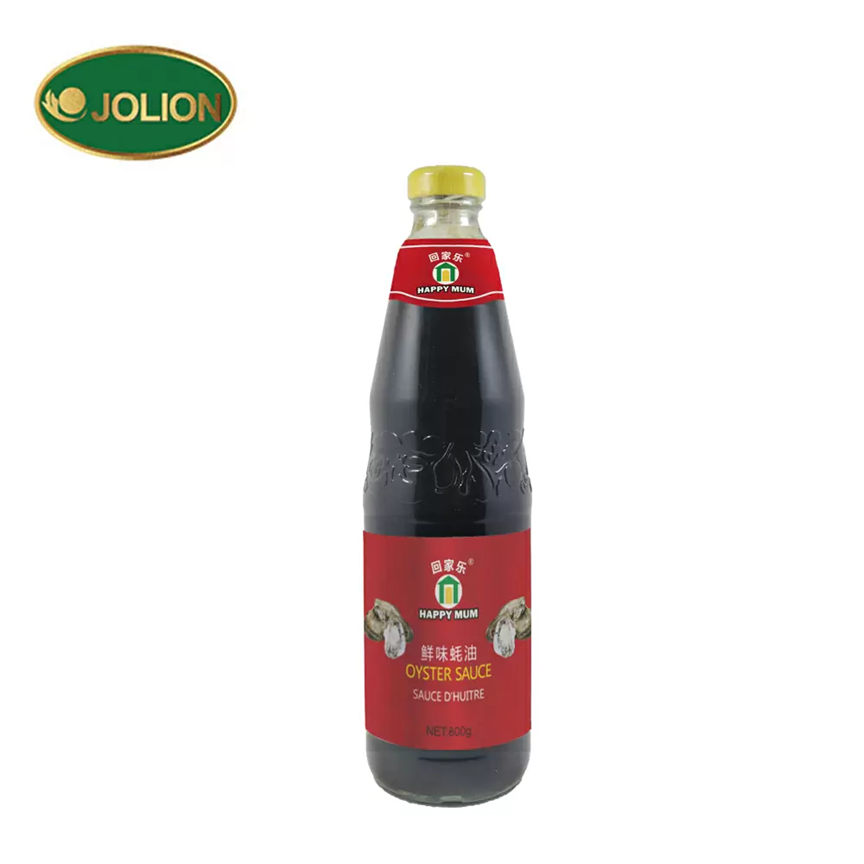
The supplied 800g Kosher sugar free Oyster Sauce is described as using natural ingredients, with a pronounced oyster flavor and production based on a documented formula. Its sugar-free and Kosher specifications also demonstrate how dietary, certification, and formulation requirements can become part of condiment development.
Sugar-Free Formulation Considerations
Removing conventional sugar from a sauce can affect more than sweetness. Sugar contributes to mouthfeel, viscosity, browning during cooking, and the perception of acidity and saltiness. A sugar-free formulation consequently requires attention to the relationship between multiple sensory components.
Sweetness may be perceived through other ingredients or sweetening systems, depending on the formulation requirements. Yet replacing sugar without considering texture can produce a sauce that tastes different even if the intended flavor intensity remains similar.
Such considerations are useful for buyers evaluating China vegan oyster sauce wholesalers, particularly when a target market combines vegan positioning with sugar-conscious product specifications. Dietary claims should always be assessed alongside the complete ingredient declaration and applicable certification requirements.
Production Control and Consistency
Condiment quality can change considerably if ingredient ratios, heating conditions, mixing procedures, or filling parameters vary between batches. Documented formulas provide a production reference that helps manufacturers maintain defined sensory and physical characteristics.
Automation can further influence production consistency by reducing unnecessary variation in repeated processing steps. However, equipment alone does not determine the final result; raw material handling, process settings, sanitation, storage, and quality checks remain interconnected.
The manufacturing information supplied for this product notes the use of fully automatic machinery, documented formulas, and experienced technical management. JOLION Foods can consequently be considered within the broader manufacturing context where standardized processes support repeatable condiment production.
Private Label Development and Market Adaptation
Private-label condiment projects frequently involve more than applying a customer logo to an existing recipe. Flavor intensity, ingredient restrictions, package size, certification needs, and regional preferences may all affect the development process.
Sample development can help buyers assess these variables before larger production decisions are made. Sensory testing may examine aroma, thickness, aftertaste, color, and compatibility with representative dishes rather than judging the sauce independently.
This flexibility becomes particularly relevant when China vegan oyster sauce wholesalers work with buyers targeting different dietary or regional segments. A formulation suitable for one market may need modification elsewhere because labeling rules, consumer expectations, and preferred flavor profiles can differ.
Reading Certifications and Market Claims
Certification terms carry practical significance only when their requirements are clearly defined and properly documented. Kosher certification, vegan claims, sugar-free positioning, and natural-ingredient statements each relate to different aspects of a product and should not be treated as interchangeable.
Buyers should also distinguish between a product being suitable for a particular dietary preference and a product carrying an officially recognized certification. Verification of documentation, ingredient sources, manufacturing controls, and labeling language can reduce ambiguity during international sourcing.
For businesses comparing China vegan oyster sauce wholesalers, this documentation-focused approach creates a clearer basis for evaluating suppliers. JOLION Foods operates within this wider category of condiment manufacturing, where formulation, processing, customization, and market-specific requirements intersect.
Conclusion
The development of plant-based and dietary-specific condiments reflects a broader shift toward more deliberate formulation. Umami, sweetness, texture, certification, processing consistency, and culinary application all influence how a sauce is perceived and positioned.
Buyers exploring China vegan oyster sauce wholesalers can use these dimensions to assess whether a formulation matches the requirements of a particular market instead of relying solely on flavor descriptions. JOLION Foods offers a manufacturing example in this field, with documented production practices and private-label development capabilities forming part of the broader sourcing picture.
You May Also Like

The Business Opportunity Philosophy Behind Cukong77

Agen123 and the Power of a Hopeful Mindset
