The Evolution of Dental care: Advancements in Oral health Practices
Dental care has evolved significantly over the centuries, transforming from rudimentary techniques to sophisticated, technologically advanced procedures. Early human dental practices were primarily focused on managing pain and maintaining basic oral hygiene, often 拔智慧牙 through the use of primitive tools and herbal remedies. As civilizations progressed, so did their understanding of oral health. Ancient Egyptians and Greeks, for example, made strides in developing materials for fillings and understanding the importance of oral hygiene. Yet, it wasn’t until the 19th and 20th centuries that dentistry as we know it began to take shape, incorporating modern science and a deeper understanding of anatomy and health.
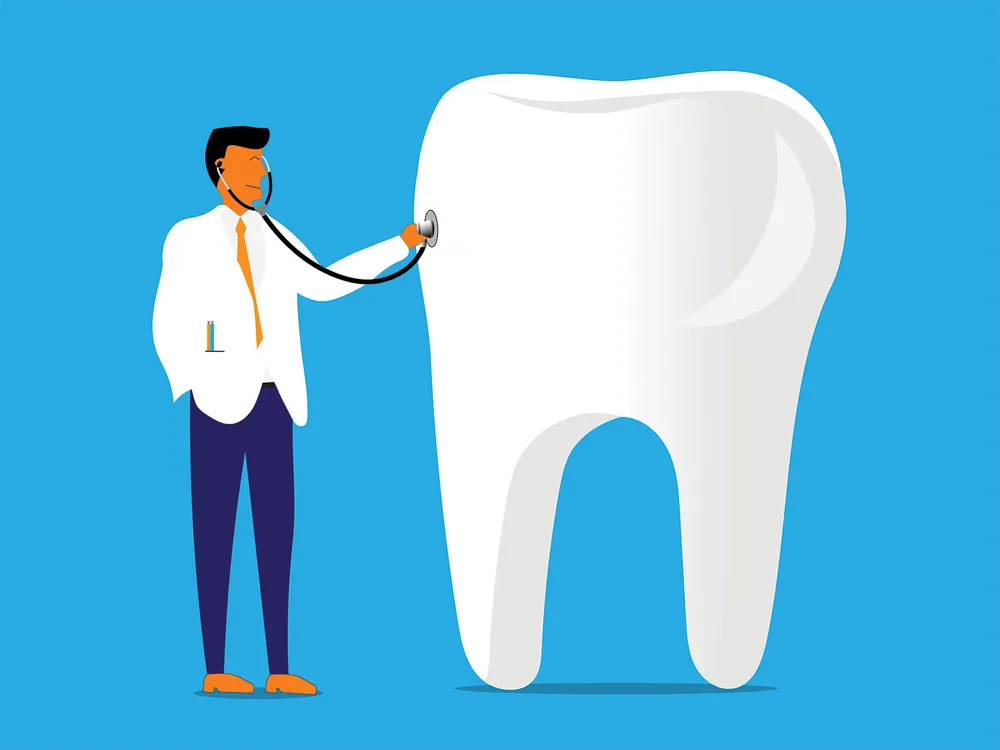
One of the most transformative moments in dental care occurred with the invention of the dental drill in the late 19th century. Before this innovation, dental procedures were often painful and difficult, with many patients suffering from untreated cavities and other oral diseases. The introduction of the drill, powered by a foot pedal, allowed for more precise and less painful treatments, setting the stage for further advancements. Additionally, the development of anesthesia in the early 20th century brought even more relief to patients, turning previously excruciating procedures into routine practices. Today, local anesthetics and sedation techniques are used routinely to ensure comfort during dental visits.
Alongside these technological breakthroughs, the understanding of dental hygiene has undergone a major shift. In the mid-20th century, the widespread promotion of oral hygiene products, such as toothbrushes and toothpaste containing fluoride, significantly reduced the prevalence of tooth decay and gum disease. The introduction of fluoride in public water supplies also played a crucial role in reducing cavities. Dentists now emphasize the importance of daily brushing, flossing, and regular checkups as the foundation of good oral health. Advancements in dental education and public awareness have empowered individuals to take a proactive approach to their oral care, resulting in healthier teeth and gums for people worldwide.
In recent years, the field of cosmetic dentistry has seen immense growth, allowing individuals to improve the appearance of their teeth and smile through procedures such as teeth whitening, veneers, and orthodontics. The rise of digital dentistry, including 3d imaging and laser technology, has made these procedures faster, more accurate, and less invasive. These innovations enable dentists to provide customized treatments tailored to the unique needs of each patient, all while reducing recovery times and enhancing overall outcomes. As a result, cosmetic dental procedures have become increasingly popular, with more people seeking aesthetic improvements to their smile, not just functional care.
Looking ahead, the future of dental care promises even more advancements, particularly with the rise of artificial intelligence and robotic technologies. AI is expected to revolutionize diagnostics, treatment planning, and even the execution of complex procedures. Robots capable of performing precise dental surgeries are already being developed, and their integration into routine care could minimize human error and improve recovery times. Additionally, regenerative dentistry, which focuses on growing new teeth or tissues, is an exciting field that may hold the key to solving some of the most challenging oral health issues in the future. As technology continues to progress, dental care will only become more efficient, personalized, and accessible to people all around the world.
You May Also Like

Agen123 and the Power of a Hopeful Mindset

The Business Opportunity Philosophy Behind Cukong77
